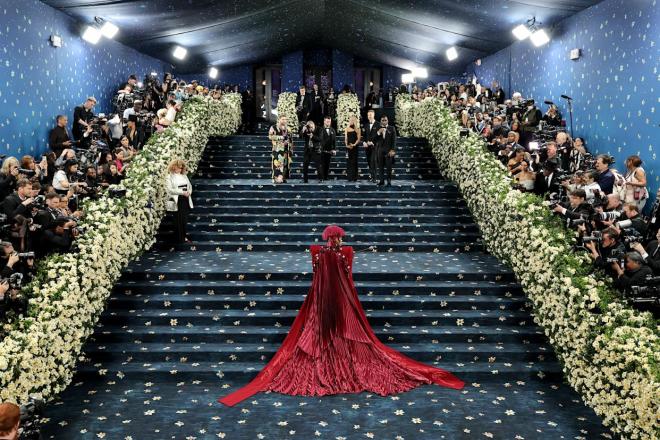
If you have ever worked in fashion, or are remotely passionate about the industry, the words “First Monday in May” are part of the vernacular. Since I decided I wanted to pursue a career in fashion at a fairly young age, I wasn’t aware of these words, until the moment I moved to London for university. In my first year, I found out there were a lot of things I had no clue about that were related to fashion, so I set my eyes on learning everything about everything. It brings a lot of my passion into focus, whilst also providing me with a broad understanding of all the parts that make the industry work. So, what is said First Monday in May? I’d say, outside of the fashion week circuit, it’s the most important Monday in all of the industry, because of the Met Gala. Created as a charity gala to raise money for the arts, it is the event of the year, and only people who are very important to the industry get invited. This year’s Gala, held at the Metropolitan Museum of Art (hence the Met in the name) in New York City, was a groundbreaking celebration of Black fashion, identity, and resistance. With the theme of the exhibition being “Superfine: Tailoring Black Style,” the event honoured the legacy of Black dandyism and its profound impact on fashion and culture. Inspired by Monica L. Miller’s seminal work, Slaves to Fashion: Black Dandyism and the Styling of Black Diasporic Identity, the gala and its accompanying exhibition delved deep into the ways Black individuals have used fashion as a means of self-expression and defiance against societal constraints. The theme of the gala itself, ‘Tailored for You’, really opened the interpretative ideas behind the theme of the exhibition, making it easier to fit within the theme without any cultural appropriation.
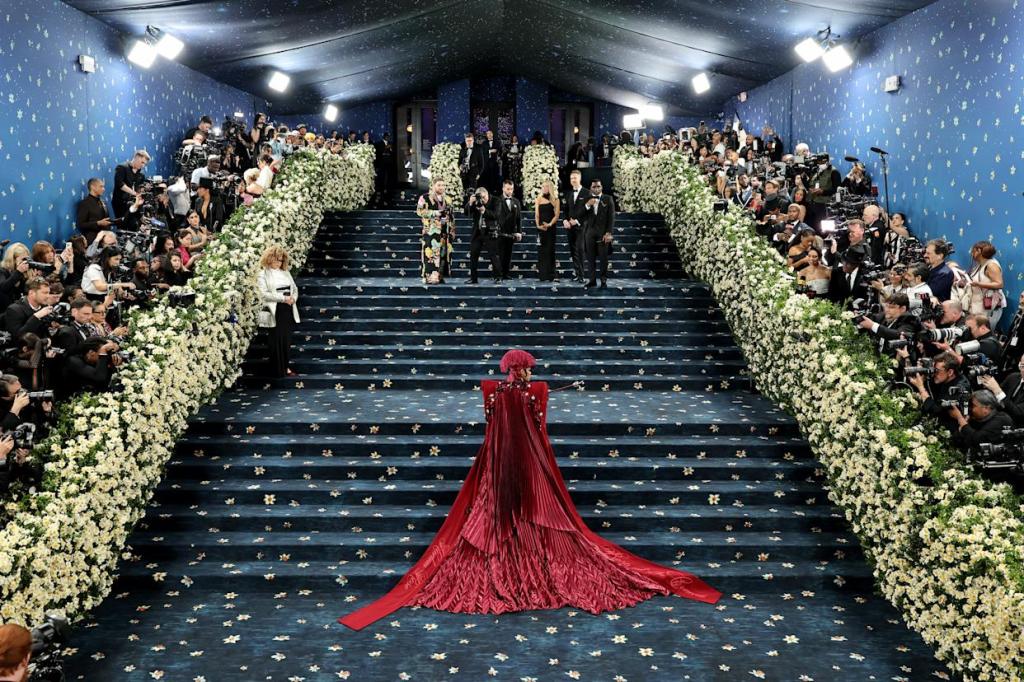
A Historic Theme: “Superfine: Tailoring Black Style”
The Costume Institute’s exhibition, “Superfine: Tailoring Black Style,” marked a significant moment in fashion history. It was the first time since 2003 that the Institute focused exclusively on menswear, and notably, it centered on Black designers and the aesthetics of Black dandyism. The exhibition traced the evolution of Black style from the 18th century to the present, highlighting how clothing became a tool for Black individuals to assert their identity, challenge racial stereotypes, and navigate societal hierarchies.
Curated by Andrew Bolton with guest curator Monica L. Miller, the exhibition was organised into 12 thematic sections: Ownership, Presence, Distinction, Disguise, Freedom, Champion, Respectability, Jook (defined in Zora Neale Hurston’s “Characteristics of Negro Expression” – an important reference for the exhibition – as a space for dancing, drinking, and other leisure activities), Heritage, Beauty, Cool, and Cosmopolitanism. These sections explored the multifaceted nature of Black dandyism, illustrating how fashion served as both a personal and political statement.
The Politics of Fashion and Race
Black dandyism, as explored in the exhibition, is more than just a fashion statement; it’s a form of resistance and a reimagining of identity. Historically, Black individuals adopted and adapted European fashion styles, infusing them with their own cultural sensibilities to challenge prevailing narratives and assert their humanity. This sartorial rebellion was especially prominent during the Harlem Renaissance and continues to influence fashion today.
The Met Gala’s focus on Black dandyism brought to the forefront discussions about race, class, gender, and sexuality in fashion. By celebrating Black style, the event challenged the fashion industry’s historical exclusion of Black voices and highlighted the importance of inclusivity and representation.
A Night of Iconic Looks
The red carpet was awash with ensembles that paid homage to the theme, blending historical references with contemporary flair. I do have to say that personally, I was expecting more colour, and this year’s blue carpet was very black and white, but there are some standout looks that we have to agree ate and left no crumbs. Some of my favourites are:
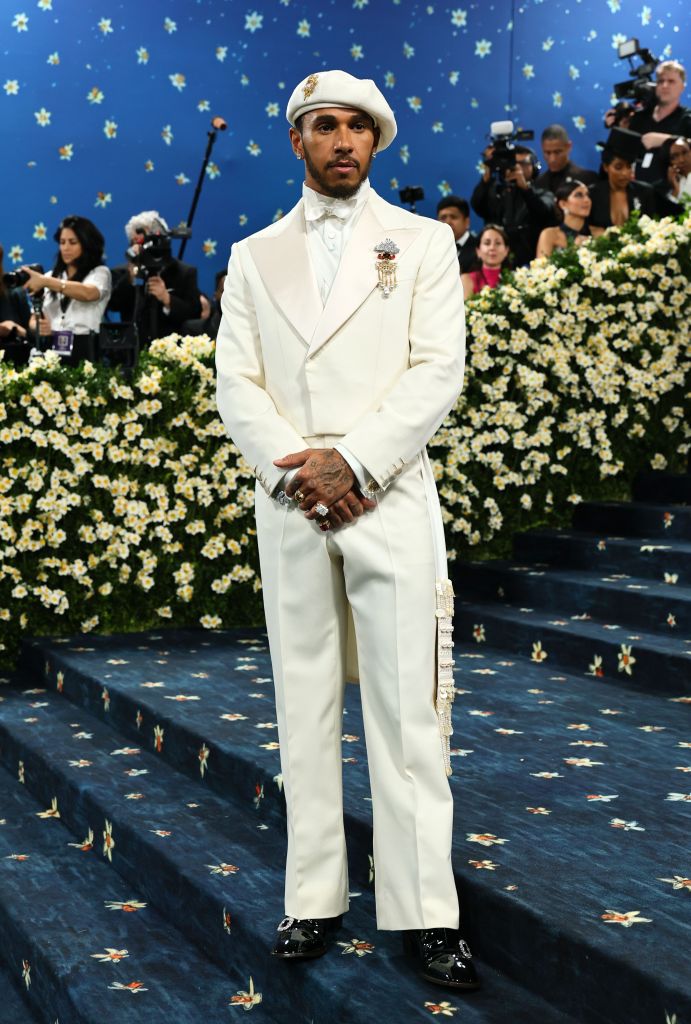
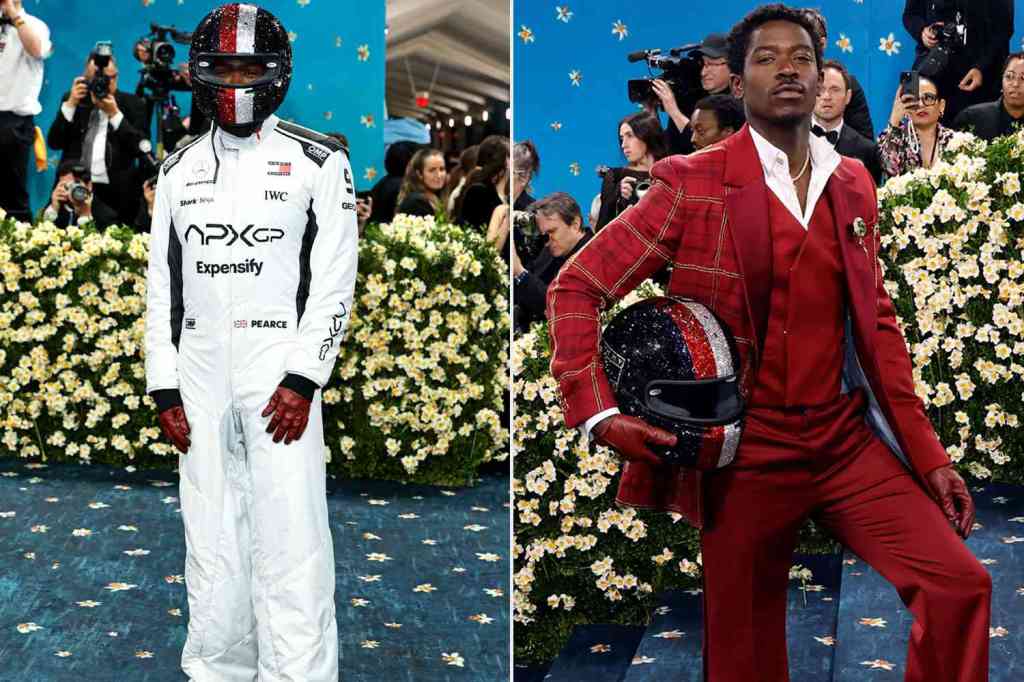
- Lewis Hamilton: The Formula 1 champion and co-chair of the event wore a custom ensemble that fused traditional tailoring with modern design elements, reflecting his personal journey and the broader narrative of Black excellence in predominantly white spaces. Designed by Wales Bonner, and styled by Eric McNeal, the look is a stunning homage to his heritage and an ancestral tribute to purity and status.
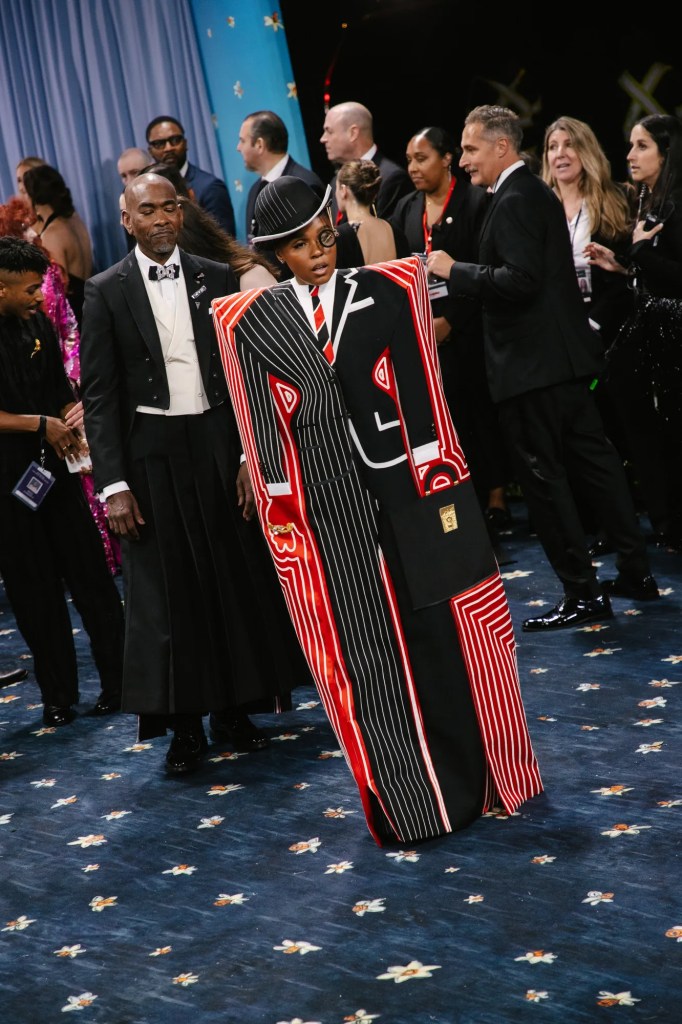
- Janelle Monáe: Known for her androgynous style, Monáe donned a striking outfit that combined sharp tailoring with bold accessories, embodying the spirit of the Black dandy. Created by Thom Browne, in collaboration with costume designer Paul Tazewell, celebrating the black dandy in a surrealist look styled by Alexandra Mandelkorn.
- Damson Idris: The British actor’s attire paid tribute to the zoot suits of the 1940s, a nod to the historical roots of Black dandyism and its significance in Black cultural expression. Decked in a custom Tommy Hilfiger, and with arguably the coolest entrance in a Formula 1 car, perfectly encapsulating the role he is playing for the F1 film released later in the year, the appearance, the reveal and generally the look was smokin’ and for good measure. Custom Tommy Hilfiger suit(s), and custom jewellery from his own brand DIDRIS, the perfect space to officially launch the fine jewellery brand.
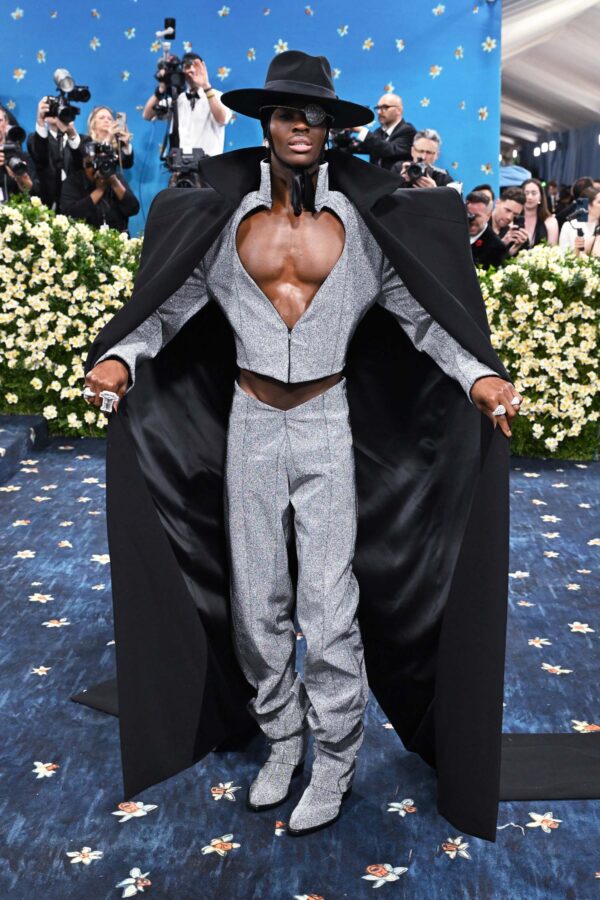
- Alton Mason: As a model who often challenges gender norms, Mason’s look was a blend of classic menswear and avant-garde elements, highlighting the fluidity and diversity within Black fashion. An ode to ‘Jojo’s Bizarre Adventure’, he also pays homage to hip-hop legend Slick Rick the Ruler, wearing a silver eye-embellished patch and a classic black fedora. The look is custom BOSS, styled by Marco Falcioni.
- Teyana Taylor: Taylor’s ensemble featured a red velvet cape emblazoned with “Harlem Rose,” celebrating her roots and the rich cultural history of Harlem. The custom made zoot suit and cape ensemble, designed by Marc Jacobs was not only a not to her roots, but took her song, Harlem Rose to a whole new meaning. Styled by award winning costume designer Ruth E. Carter, the showstopping look was a stunning homage to the theme.

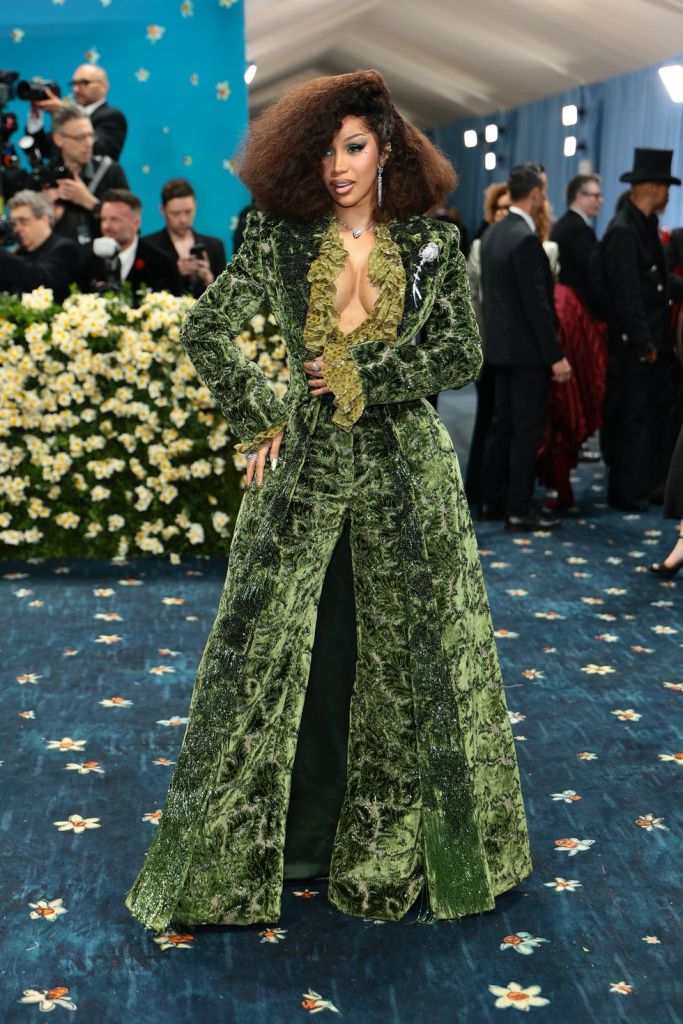
- Cardi B: The rapper’s outfit was a dramatic fusion of opulence and street style, reflecting the duality of Black fashion narratives. She wore a stunning velvet ensemble by Burberry, and was styled by Law Roach,
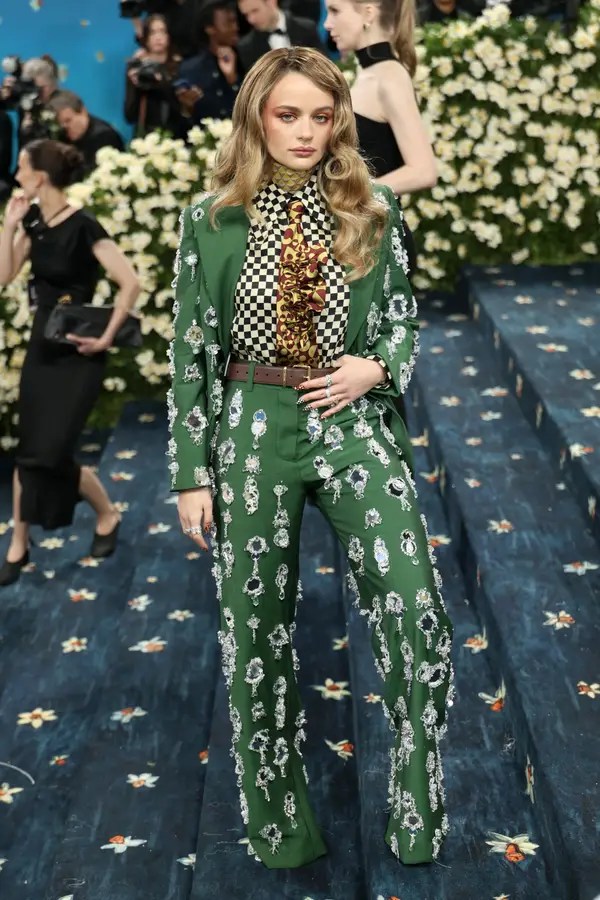
- Joey King: This was an unexpected look that I feel didn’t garner a lot of attention, but Joey King nailed this year’s theme and her collaboration with Black designers and stylists showcased the importance of allyship and respectful engagement with the theme. Wearing a custom Miu Miu look and styled by Jared Eng, Joey really is a stunner.
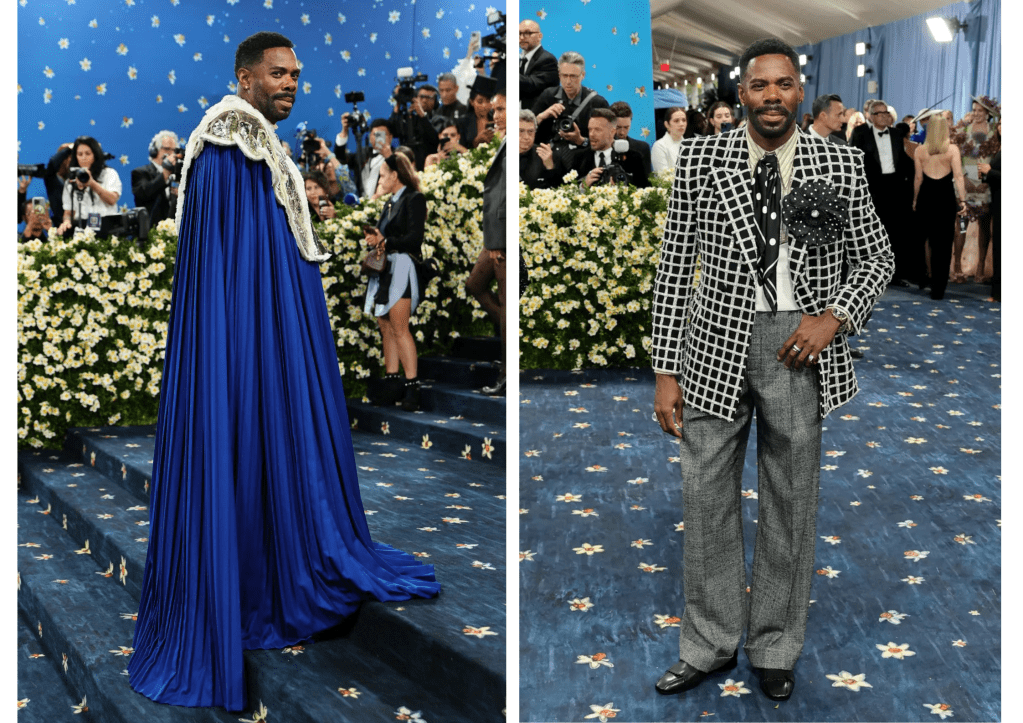
- Colman Domingo: The actor’s two-look Valentino ensemble was a masterclass in elegance and thematic relevance, earning widespread acclaim. He came in and stunned all of us in a fantastic royal blue velvet cape, which then revealed a stunning suit, which commanded the eye and was the perfect embodiment of one of the co-chairs of the event. He worked together with the exhibitions’ guest curator, Monica L. Miller, to find the right references for his looks. Miller was indeed the perfect collaborator, given that her 2009 book, Slaves to Fashion: Black Dandyism and the Styling of Black Diasporic Identity, is also the main inspiration for this year’s exhibit.
A Milestone in Representation
The 2025 Met Gala was historic not only for its theme but also for its leadership. For the first time, all co-chairs and honorary chairs were people of color, including Pharrell Williams, Colman Domingo, Lewis Hamilton, A$AP Rocky, and LeBron James. This shift signalled a broader commitment to diversity and inclusion within the fashion industry.
The event also raised a record-breaking $31 million, underscoring the public’s support for initiatives that celebrate and uplift marginalised voices in fashion.
The 2025 Met Gala was more than a fashion event; it was a powerful statement on the role of Black style in shaping cultural narratives and challenging societal norms. By centering Black dandyism, the gala honored a rich history of resistance, creativity, and self-expression. It served as a reminder of fashion’s potential to be both beautiful and transformative, a medium through which stories are told, identities are affirmed, and communities are celebrated.
As the fashion world continues to evolve, the 2025 Met Gala stands as a testament to the importance of inclusivity, representation, and the enduring impact of Black culture on global fashion.
 prgaldiaries.com